How Algo Trading
Enhances Discipline in Retail Traders

Introduction
Discipline is often the hardest part of trading. Emotions like fear, greed, and impatience tend to derail even the most well-thought-out strategies. This is where Algorithmic Trading (Algo Trading) can make a significant difference—especially for retail traders. By automating trading rules and removing emotional biases, algo trading brings structure and consistency to an otherwise volatile and unpredictable activity.
Let's explore how algorithmic trading helps retail investors stay disciplined—and why more everyday traders in India are embracing this approach.
What Is Algo Trading?
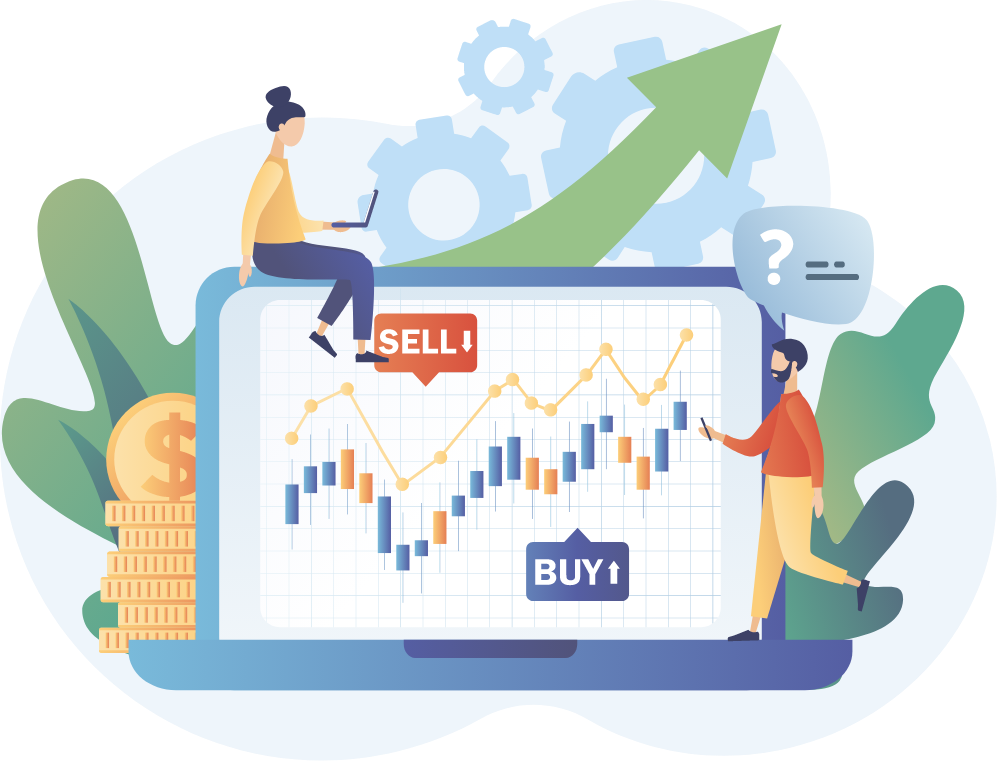
Algorithmic trading involves using pre-programmed rules or mathematical models to execute trades automatically. These rules are based on parameters such as:
- Price movements
- Technical indicators
- Time of day
- Volume or volatility triggers
Once the conditions are met, the system executes trades without human intervention —removing hesitation and emotion from the process.
The Discipline Challenges Faced by Retail Traders
Many retail traders struggle with:
- Overtrading when markets are volatile
- Holding losses too long out of hope
- Exiting winners too early out of fear
- Chasing trends or tips without proper analysis
- Lack of consistency in following rules
These behavioural biases are well-documented in behavioural finance and often lead to underperformance.
How Algo Trading Instills Discipline
Here's how algo trading addresses those challenges:
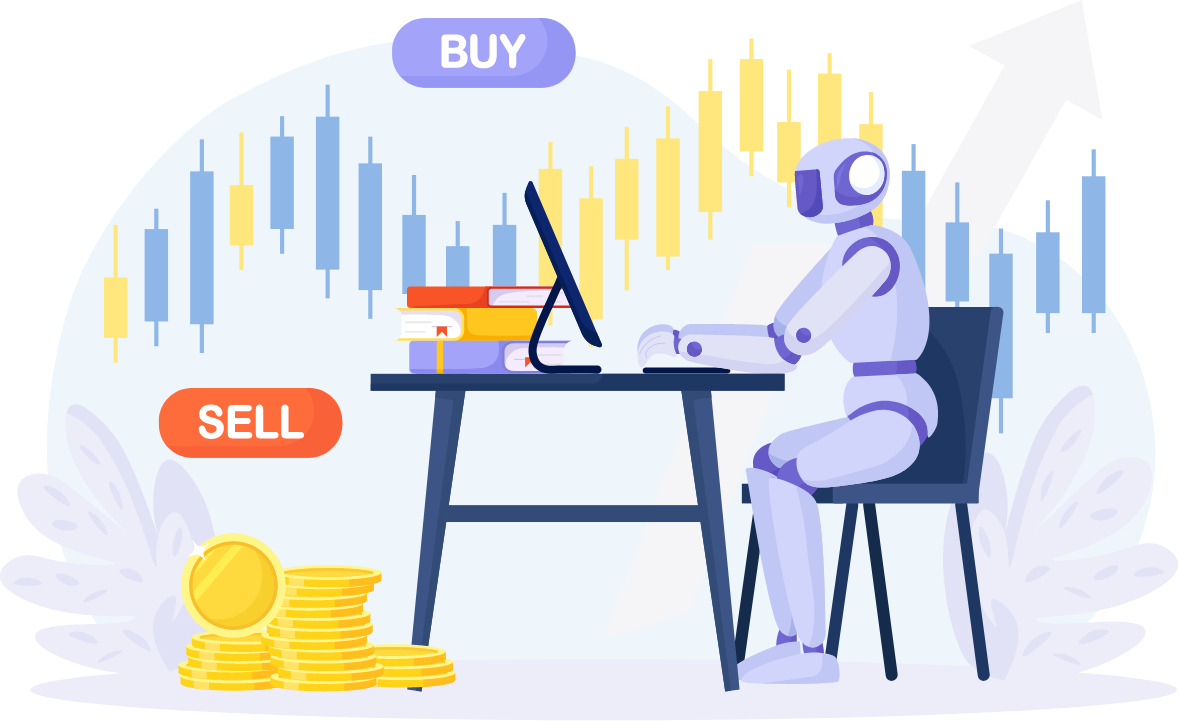
- Removes Emotional Decision-Making
Algorithms execute trades based purely on predefined rules, not panic or gut feeling. This means no impulsive decisions or last-minute second-guessing. - Enforces Risk Management
Stop-losses, position sizing, and entry-exit conditions are all coded in advance, making it easier to limit downside and lock in profits. - Ensures Strategy Consistency
Once a strategy is backtested and deployed, it operates the same way every time—regardless of market noise or news flow. - Saves Time and Reduces Monitoring Stress
Retail traders often can't sit in front of charts all day. Algorithms run in the background, giving traders the freedom to step away without missing opportunities. - Enables Backtesting and Improvement
By testing a strategy on historical data, traders can see what works and make data-driven adjustments—instead of relying on trial and error.
Real-World Example
Let's say a retail trader wants to trade Nifty intraday using a moving average crossover strategy. Instead of manually watching the charts and worrying about execution timing, the trader can automate the logic:
- Buy when the 15-minute moving average crosses above the 60-minute average
- Sell when it crosses back below
- Set a stop-loss at 1% and take-profit at 2%
This strategy can now run automatically every day, maintaining discipline and avoiding emotional trades.


A Balanced Approach
While algo trading offers immense discipline, it's not a magic bullet. Traders still need:
- A sound strategy
- Understanding of market conditions
- Regular review and optimization
It's best to start simple, learn through paper trading, and slowly move to real capital once confident in the approach.
Conclusion
Discipline is the backbone of successful trading, and algorithmic trading gives retail traders the tools to follow rules consistently and objectively. By automating execution and managing risk systematically, algos reduce emotional interference—allowing traders to focus on strategy and performance.
Want to experience disciplined trading without coding? Explore Modern Algos—your platform for strategy-based trading, where retail traders can easily build and automate their trades.
About the Author

The content in these posts/articles is for informational and educational purposes only and should not be construed as professional financial advice and nor to be construed as an offer to buy /sell or the solicitation of an offer to buy/sell any security or financial products. Users must make their own investment/trading decisions based on their specific investment/ trading objective and financial position and using such independent advisors as they believe necessary.